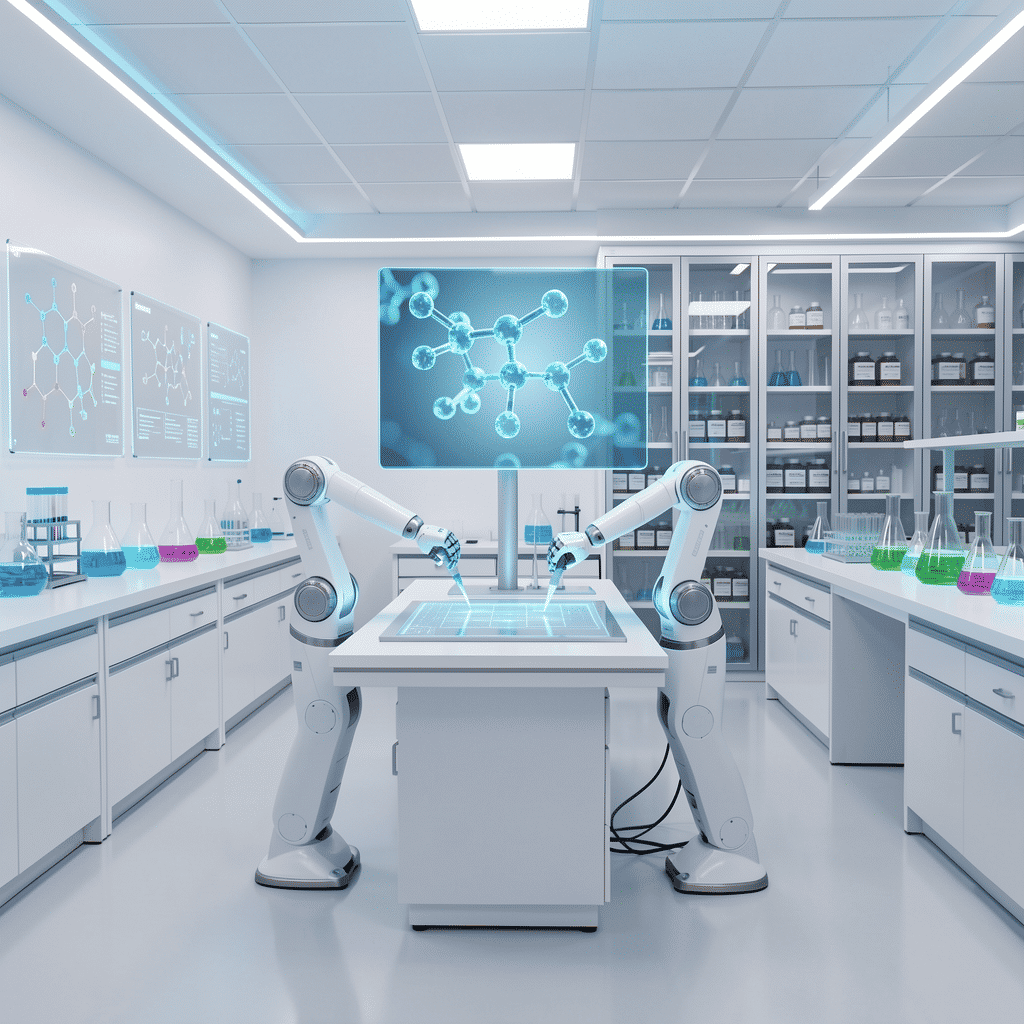
The integration of artificial intelligence (AI) into the realm of drug discovery is revolutionizing the pharmaceutical landscape, offering unparalleled precision, speed, and cost-efficiency. This transformative technology is redefining the traditional methodologies that have long underpinned drug discovery, propelling the industry into a new era of innovation and advancement.
One of the most significant impacts of AI in drug discovery is its ability to accelerate the identification of potential drug candidates. Traditional drug discovery processes are often labor-intensive and time-consuming, taking years, if not decades, to bring a drug from concept to market. AI addresses this issue by rapidly analyzing vast datasets, recognizing patterns, and predicting outcomes, which significantly shortens the time required to identify viable compounds. By employing machine learning algorithms, researchers can sift through enormous chemical libraries to identify promising candidates, streamlining the initial phase of drug development.
Moreover, AI enhances precision in drug discovery by enabling scientists to better understand complex biological interactions. Through advanced modeling and simulation, AI can predict how a potential drug will interact with a target at a molecular level. This precision allows researchers to design drugs that are more effective and have fewer side effects, ultimately leading to safer and more efficient treatments for patients.
Another pivotal role of AI is in the optimization of drug trials. Traditional clinical trials can be exorbitantly expensive and logistically challenging. AI algorithms can optimize trial design by identifying suitable patient cohorts, predicting patient outcomes, and even monitoring trial data in real time. This capability not only reduces costs but also increases the likelihood of a successful trial by ensuring that the right patients are receiving the right treatments.
Furthermore, AI is proving instrumental in repurposing existing drugs. By analyzing data from previous studies, AI can identify new therapeutic uses for already-approved drugs, thereby reducing development costs and timeframes. This approach has been particularly relevant in addressing urgent health issues, such as finding treatments for emerging infectious diseases.
The integration of AI into drug discovery is not without its challenges, however. Ethical considerations, data privacy concerns, and the need for robust validation of AI-generated insights are all critical issues that need to be addressed as the technology continues to evolve. Additionally, there is a requirement for interdisciplinary collaboration between AI specialists and pharmaceutical researchers to fully harness the potential of this technology.
In conclusion, AI is playing a pivotal role in reshaping the landscape of drug discovery. By accelerating processes, enhancing precision, and reducing costs, AI is driving pharmaceutical research and development towards more innovative and patient-centric solutions. As AI technology continues to advance, its potential to transform drug discovery and improve global healthcare outcomes becomes increasingly significant.